Growing your Tree of Prosperity is an introductory investment guide written specifically for Singaporeans who wish to take their first step towards financial independence.
Wednesday, August 31, 2022
Why we need to resist the idea of SAP Polytechnics and SAP Universities.
Saturday, August 27, 2022
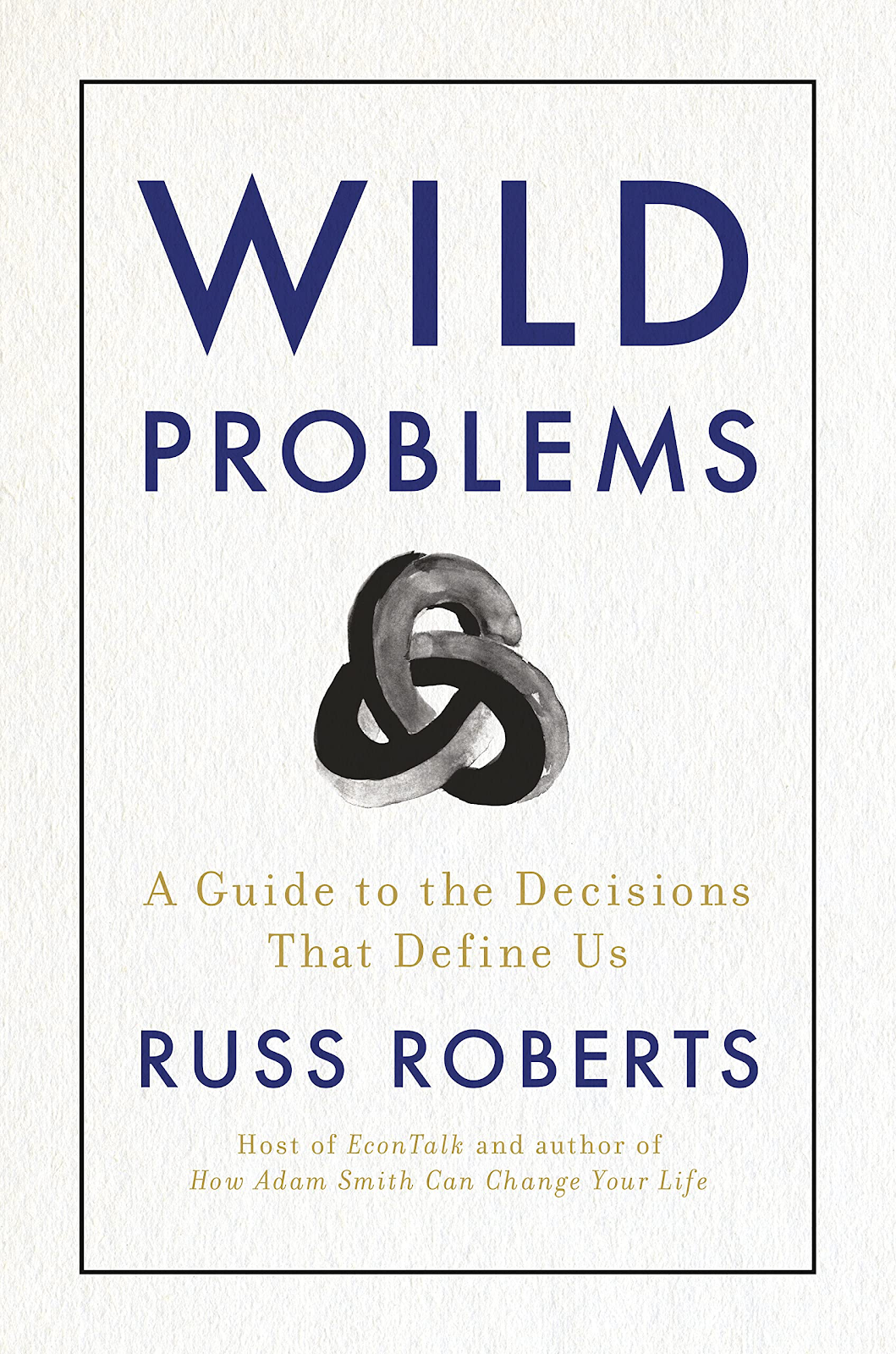
On Wild Problems
- My stint as a trainer finally got me my CFA - nineteen years after I passed the Level 3 exams. It required 3 years of full-time work as a training professional.
- In law school, I always found some of my classmates ridiculous, I had classmates who dropped out in the final year after paying all the school fees.
- I used to get exasperated at friends who can only talk about publishing a book but never complete a proper manuscript, it was the main reason why I set out to write three books on personal finance as an IT engineer.
- Even if the last 2 seasons of Game of Thrones sucked balls, I watched it anyway.
Tuesday, August 23, 2022
FIRE is a good servant but bad master.
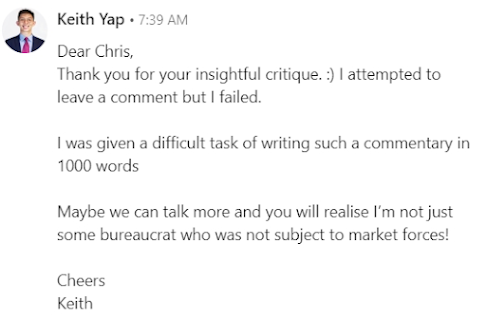
I had the good fortune to received a message on Linkedin from Keith Yap.
He wrote this, and I'm posting it here because somehow he could not comment on my blog :
His comment was very intriguing, I initially thought that there was possibility that he was tasked to write about FIRE from his bosses based on this message, so I offered to defend FIRE publicly against his supervisor which seemed to be someone from Enterprise SG. Many FIRE aspirants are conservative PAP voters and continue to pay taxes post financial independence, so there is no need to fear that FIRE metastasize into some kind of Tang Ping movement.
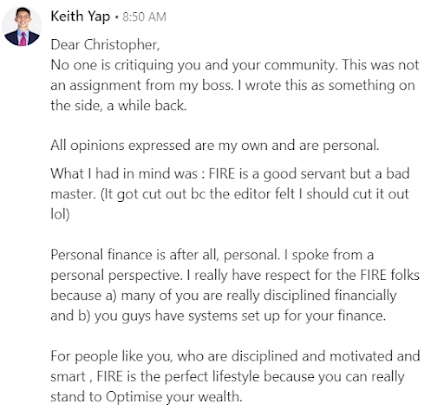
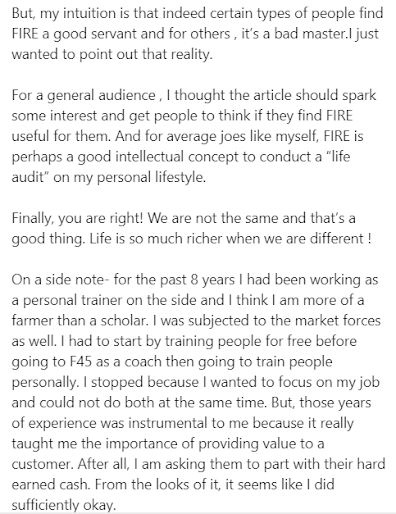
Thankfully, after a short exchange, Keith clarified that he wrote the article based on his own personal capacity.
I think his reply was even-handed and fairly neutral so it's safe to be shared on this blog :
Wednesday, August 17, 2022
Does FIRE subvert conventional ideas of work and finances ? WTF !
Monday, August 15, 2022
On Singapore's elusive third gear lifestyle
I'm trying to put something together to talk about quitting until I saw this article about a Japanese restaurant called Tenya that has raised salaries by 10% and instituted a four day week to solve their manpower crunch. ( link )
I think Tenya is onto something.
I called this the Singapore "Third Gear" problem. For folks who remember cars with a manual transmission, drivers would start at 1st gear and, as the vehicle moved faster, gradually shifted until 5th gear, when the car is reaching its fastest speed. When I was very close to becoming Financially independent, I realized that there was a problem in Singapore - Singapore workers can only be unemployed (first gear) or work crazy hours (fifth gear).
There is no middle-ground or third gear in Singapore.
No lifestyle design where you can work a little and live a little pushing many Singaporeans to emigrate somewhere else.
The first gear would be folks who do not have real jobs. These can be stay at home mums, folks living on government welfare by attending courses organized by the government during the pandemic, husbands who have successful wives calling themselves "business consultants", folks who inherit money, or anyone claiming to be a life-coach.
Fifth gear would be a majority of Singapore workers. Folks who are committed 9-5 on weekdays on jobs which provide a career path, decent pay, but very little leeway for work-life balance. If you belong to the professional or executive path, bosses expect you to be available 24-7. To be fair fifth gear in Singapore is probably a decent place to be because of low taxes and you really get to keep what you kill, but it is soul draining and some countries like Dubai pay even better for fifth gear work.
When I was teetering at the brink of financial independence, I was concerned about shifting down to first gear, this is even though I was not just financially independent on my own but I'm also a bit of an inheritor.
First gear may be irreversible, after a while, no sane HR professional would want to have a look at your resume. Worse, I can't seem to take first-gear folks seriously, they seem so out of touch with reality. For an ENTJ, it's better to lose my financial independence than to stop mattering in society.
And there's no respect. We're a nation of snobs.
So I stuck to fifth gear for 7 years after living on my investment income. But eventually you end up working for toxic environments as you rise through the ranks of management, where your skills matter less than your political maneuvering. Fortunately, I was able to let fifth gear go at age 39, long after investment payouts exceeded work take home pay.
But I can't find the third gear.
I delayed for 4 years to go back to school to contemplate my life and maintain an air of respectability.
Eventually, I found some semblance to the third gear after rejecting the legal industry.
In this life, I can free most of the time unless I am conducting a class, then all the work and attendance is non-negotiable given how much preparation my colleagues need to get a class for me. This third gear is very volatile and my sales can be very unpredictable and only those with a fairly high investment cash flow can sustain it for this long.
I suspect most third gear folks, if you can find them, are not conventionally employed in Singapore. Like me, they either report taxes as a sole proprietor or under the LLP structure.
( The guys who own a Pte Ltd actually work kinda hard and may even work on 6th gear until their business becomes profitable. )
The good news is that things are changing.
I think with the pandemic and tighter curbs to foreign labor, SMEs may finally be pushed to really start thinking about what the modern Singapore worker wants. Building a fifth gear job with no chances of advancement would mean that very few locals would want to work for SMEs. But upping the pay a little and then downgrading to a 4-day workweek is a good start and these jobs may meet the aspiration of the Singapore worker.
Not everyone is a an ENTJ. Many are INFPs who can't count, are lazy, and have an affinity for making bad life decisions..
At the very least, you can live the New Zealand and Aussie lifestyle in a low tax regime. Also you don't have to resort to career in sales to do this. How many balloons need to be forcibly taken away from children for angry parents to seek a statutory amendment to outlaw FAs here?
From a FIRE perspective, thanks to Tenya, Barista FIRE becomes a lot easier to attain in Singapore, where a fifth gear job can get you about $1,000 a month in investment income after 5-8 years, then you downshift to third gear lifestyle on a four day week in the F&B or retail industry.
At the end of the day, liberals like Tommy Koh can talk about Singaporeans being snobbish and the government can talk about a new social compact.
Just pressure SMEs to unlock a four day work week and make a third-gear lifestyle achievable, fewer folks would emigrate to Australia and New Zealand design a lifestyle there.
Friday, August 12, 2022
The best is yet to be - My adventures at ACS Independent
It is good that investment trainers to do some pro-bono by visiting secondary schools and presenting to students. If you're lucky, some students will get the message and you'll get to shape some lives, but it is also good for the trainer because you get practice to see whether you ideas can find traction in young minds. It is always challenging when the audience did not pay for your time or may not have the inclination to listen to lecture.
So I was delighted when the Entrepreneurship society of ACS Independent invite me to speak to their students for an hour and spent the afternoon in their campus premises. This is actually he first time I'm presenting in school premises as my slides have only been deployed in RI over Zoom for the past 3 years.
The talk was fine, but I felt that the material, honed over two years at RI, could not fully resonate with ACSI audience but I was mostly able to maintain the attention of these teenagers when I spoke of my personal story - about how outsourcing work can lead to suicides in the workplace and the scholar-farmer divide in the government sector is alienating to those labelled farmers. But I think I won the crowd eventually when I spoke about how the effects of compounding wealth over the years is literally the reason why "the best is yet to be".
Why do I know it works? Because I love triggering RI students about how compounding of wealth is embedded in their rival's school motto, and relying just on brains and not capital is a loser's game.
[ In such situations, I see myself as a cross between Magneto and Professor Snape. ]
Anyway, I was actually disappointed that kids have moved on their personal interests. I tried sharing my own personal interests on one slide but no one perked up. I think that's fair, you can't really tell young people about Pink Floyd or David Bowie ( but my son loves Rick Astley ). I also suspect my slides, being keyed to League of Legends, may not actually be played by teens today.
Naturally, I broke the news of speaking in ACSI after the fact, then my FB was flooded by extremely negative people who claim that ACSI does not need any help in financial management and some already come from billionaire families. One joker even said that ACS is so wealthy that my audience were probably all paid body doubles.
Maybe it's cool to demonize the wealth of ACS twenty years ago, but I find the kids in my class very ordinary.
The most intelligent question I was asked yesterday was whether I felt it was fair for policy makers to give 2.5%/4% for CPF when invested returns far exceed that amount. I was not very inclined to catalyse the birth of the next Chee Soon Juan, so I told him that while returns are low, the risk or standard deviation is zero, so CPF is actually a very attractive savings instrument. Furthermore, Singaporeans actually rushed to contribute to CPF during the pandemic so I am not inclined to disagree with current returns are puny.
Anyway, for the blog reader, what is the moral of the story ?
Harsh truth - ACSI has a very dedicated team of teachers who supported their CCA by inviting an investment trainer into campus. RI even has a dedicated segment for students who aspire to be future investment bankers. In every case, when I worked with our elite schools, no one burdened me with humiliating checks over my course materials and attempts at censorship.
Fact is people pay thousands of dollars to hear me speak.
The saddest story is that I took so much pains to volunteer to teach personal finance in my own secondary school and so far I've not managed to gain any ground over this as communications get dropped and people just wander off to take on other projects.
So in the future if ACSI and RI groomed more billionaires or generates the greatest number of jobs for Singaporeans, don't be salty, ask yourselves how much red tape the neighbourhood schools are saddled with before demonize others for their prosperity.
Wednesday, August 10, 2022
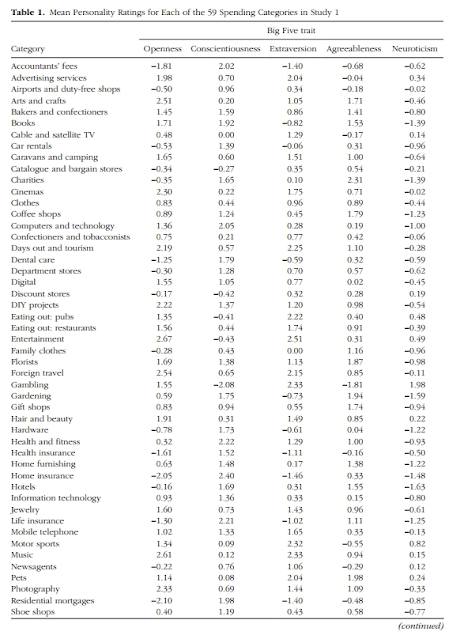
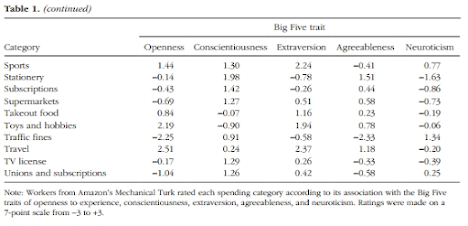
Keep discretionary expenses to things that suit your personality
So basically, if you know your personality, you can use this table to guide you on what consumer products would give you the highest personal satisfaction. Buy enough to make yourself happy, then you can invest the rest. So extraverts should be happy attending a music concert with friends. Introverts are happy getting a bonsai plant. So unless the book you are giving is 50 Shades of Grey, expect your extroverted pal to keep it in his KIV list for decades, you might be better off signing him up with a club for swingers.
Monday, August 08, 2022
Thinking and lifestyle design using real options and annuities
This post came about because of MissFITFI's podcast with the owner of Saturday Kids. You can listen to the podcast here.
I want to focus on one important idea mentioned in the podcast which is the idea of placing little bets in life that have a small probability of success but can pay off in a large way. This idea can be broadened quite significantly on this blog.
Consider the term life insurance. This is basically a put option on your human capital. If you die, the insurance pays off a fraction of the loss of your human capital to your family. If you outlive the insurance, it expires worthless.
There is a class of life strategies that exploit a myriad of real options that behave like term life insurance. Advanced education qualification is a call option on your human capital. If there is a strong market demand for people with such advanced degrees, you can enjoy a higher salary or a boost in your human capital. If your advanced degree is in something that society does not value, it can remain dormant or "out of the money" until there is a shift in industry trends. Options gain value when the underlying security goes up in value or even when the situation is very unpredictable or volatility is very high.
If you are a fan of Nicholas Taleb's Antifragility, living an anti-fragile life is all about embedding real options in your life.
Now we consider the opposite of term life insurance, the annuity. An annuity hedges against longevity risk. If you live too long, the annuity pays a monthly stipend every month until you die.
If we consider term life insurance and annuity as a spectrum, then our lifestyle design based on real options is incomplete. While we need to make many tiny bets to get ahead in life, we need systems that pay out a predictable amount every regular time interval, at least to survive. The importance of having a steady job, some royalty payments, and dividends which are uncorrelated to market cycles are vital to survival in modern society.
Lifestyle design is all about having both real options and regular cash flows to suit your personal needs.
One way of approaching lifestyle design with this insight can be as follows:
a) You need to know your absolute base essential lifestyle and find ways to match this using earned and passive income. When doing this, you need to think like a landlord. Ideally, if you need to work harder to do this using passive income, do it as the payoff of getting time freedom is extremely high if you can meet this threshold.
b) Once basic needs are covered by earned or passive income, you can start to think about tiny bets that pay off in a big way. This way you can think like a VC. You can earn a qualification that will be valuable in the future, or put in some capital into a startup. In this example, it is better to do position sizing and make uncorrelated bets so that one big win would cover all your losses elsewhere.
c) Income-generating assets and real options should be interchangeable. Maybe some dividends are used to signup with a new Skillsfuture course or advanced degree. Once the advanced degree gets you a higher salary, you can farm extra proceeds into a bigger dividends portfolio. Balancing the two is an art and you can decide how to allocate your capital based on your own capabilities and personal situation.
Some readers will note that in a discussion that straddles between real options and cash flows, where do capital gains that are analogous to growth stocks stand in this spectrum? Stocks belong at the centre of this continuum. Some stocks pay a dividend and it has an option to grow if their valuation goes up.
( For the absolutely pedantic, stocks are also a written put option, it can drop in value when the underlying business loses money )
Saturday, August 06, 2022
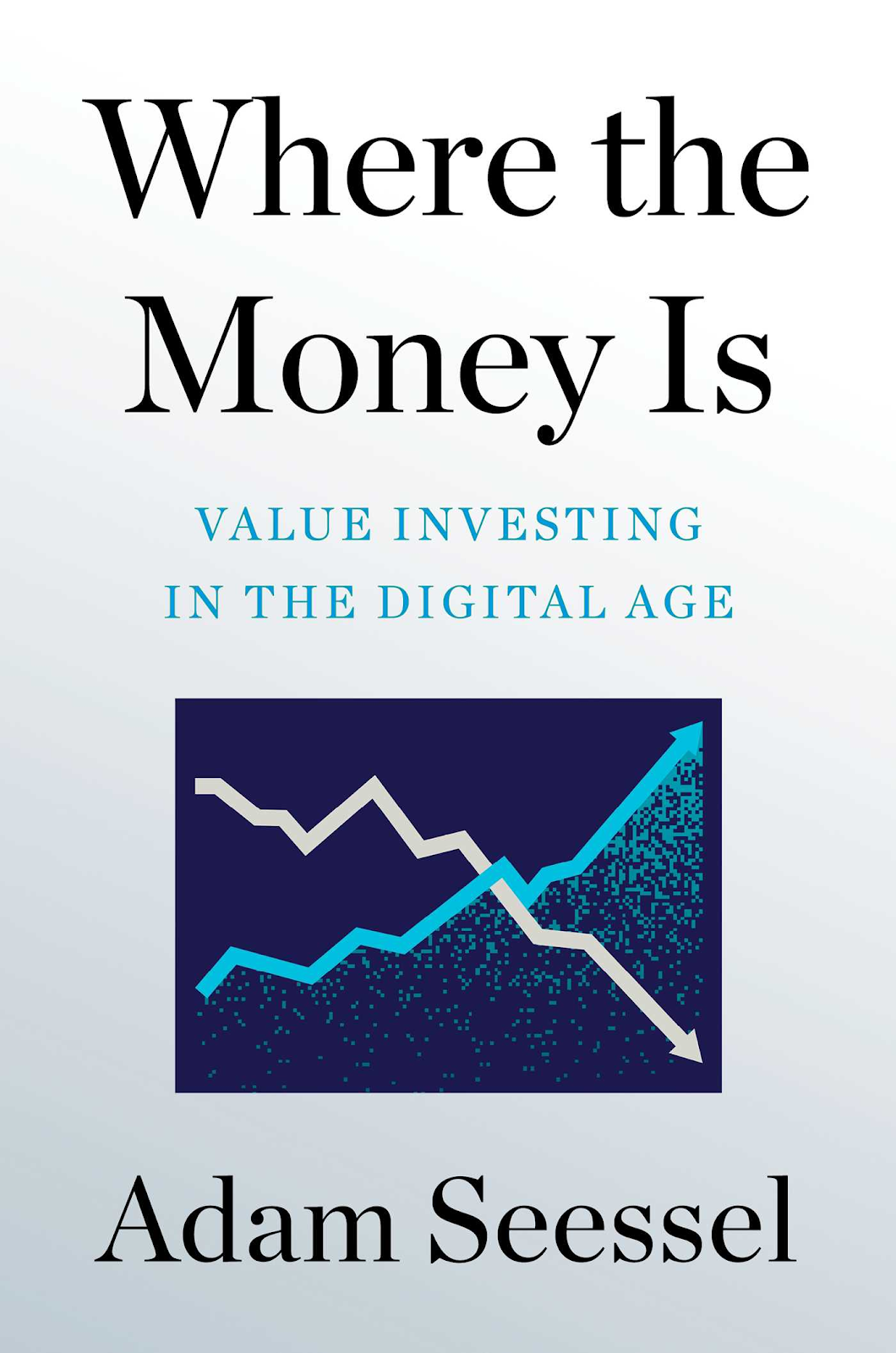
Why you will fail at Value Investing - part 3
The idea is that if you can find an earnings power of 5%, you can comfortably add the stock to your portfolio.
Ok, so I'm done with my review, how can we treat the book as a whole?
I'm actually not militantly against this latest version of value investing. While there is a subjective component in each step of the analysis, an investor who applies this consistently as a whole against one specific industry may be able to find some success using this framework. But the question for folks like me is whether superior returns when it does occur, come with higher volatility. Furthermore, can these superior strategies beat momentum-based trends following stock picks in an economic expansion which is where tech-stock picking is at its strongest?
Finally, I'd like to say that I won't review a book if I don't really see some value in it. But perhaps a better value investing toolbox can be a wider literature review of books in this space, which is exactly what you will find on my blog over the next few weeks.
Wednesday, August 03, 2022
Why you will fail at Value Investing - part 2
Saturday, July 30, 2022
Letter to Batch 26 of the Early Retirement Masterclass
Dear Students of Batch 26,
It’s been a great honour and privilege to conduct a 5-Day Early Retirement Workshop for you.
Batch 26 is one of the luckiest batches to graduate from the ERM programme, just a tad less lucky compared to Batch 12, which managed to buy right at the market bottom of the pandemic crisis. Batch 12 bought the stocks in March 2020 and constructed a dividend portfolio that generated 7% per year. At the time of writing, they still managed an XIRR of 16% when the rest of ERM was plugging along with an XIRR of just 4%.
This can be considered the wrong time to invest for many people. The US had just completed two consecutive quarters of negative GDP growth. China is bogged down by the demon of its own design, otherwise known as the Zero COVID policy. Russia is still trying to invade Ukraine. The Fed has declared a crusade against inflation, leading to rising interest rates worldwide. And now, the Hungry Ghost month has just started.
But it is always the darkest before the dawn. ERM remains resolute that there is no better time to invest than now. The equity risk premium we track has been going up three batches in a row. A downturn worldwide has always been suitable for low beta, high dividend portfolios that our programme has been known for.
This is also the batch where a lot of calculated risk-taking took place, with Dasin Retail Trust being chosen after Group 3 did a detailed investigation on the odds of being able to enjoy the 16% current yield that it offers. The team was cognisant that the business could fail but was persuaded when they saw some recent purchases by Aqua Wealth holdings from the SGX announcements. Alumni should feel free to omit the purchase of this counter if they are uncomfortable with the risks involved.
Lastly, I hope that Batch 26 will participate actively in the FB group. Sometime in Q3 2022, we should be meeting up for an online community webinar.
Hope
to see you then!
Christopher Ng Wai Chung
Friday, July 29, 2022
Why you will fail at Value Investing - part 1
The biggest conclusion I get from reading this book is that most of us would likely fail at value investing.
If you look at the training provided by my peers in the training industry, a lot of younger trainers claim to be some kind of acolyte of Waren Buffett, but even Warren Buffett has evolved over the years. He started as a disciple of Benjamin Graham and adopted a deep value philosophy based on liquidation value, combining it with board control. Then Buffett pivoted under the influence of Charlie Munger and began to buy companies with powerful mindshare on TV. The latest incarnation of value investing subjectively imputes earning yields of digital companies by peer review.
If I adopt this alleged form of value investing, then value investing is effectively meaningless. It becomes ambulatory with the times - it can be anything you want it to be. So long as investment performance is good.
Nevertheless, I think there is great value in doing a thorough literature review and seeing what scraps can actually be used in Singapore.
There are three parts to doing value investing for the digital age, I will discuss business quality.
In the author's view, business quality is high if (1) the company has a low market share in a market that is very large and growing rapidly. (2) The company has a sustainable competitive advantage.
The moment we look at this definition of business quality, we will see logistical difficulties in finding such businesses. It is tough to generate a screen for low market share in a growing market. A retail investor would literally have to read the newspaper and find a company by pure luck. And weekly periodicals in Singapore put a very neutral spin on articles featuring local companies. No journalist would deliberately put in the article numbers on market share and the rate of growth of the industry at large - you need to find the exact article by chance.
Also, what are the odds of a Singapore company being able to compete globally? In many of these cases, authors of value investing companies will invoke Peter Lynch - buy what you know or follow your wife around when she goes shopping.
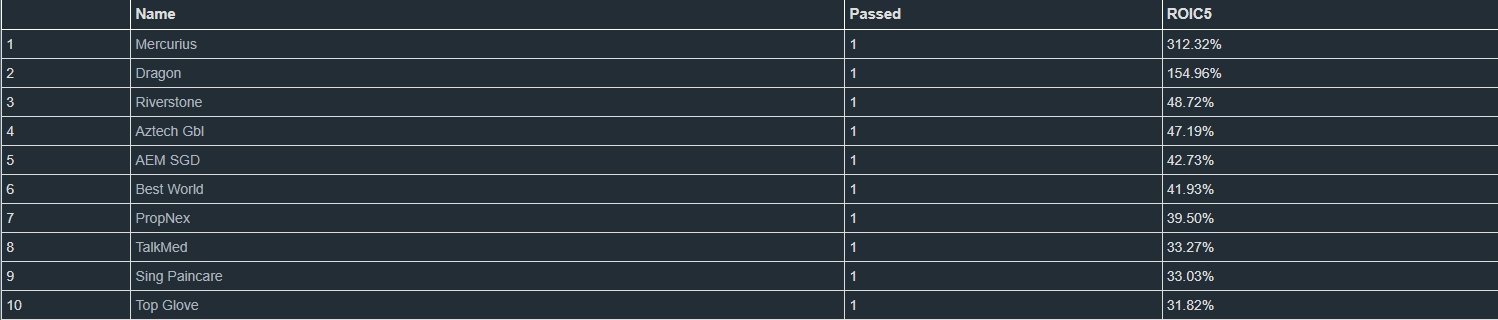
The idea of sustainable competitive advantage is slightly more useful because we can isolate a factor in screening. Companies with a high ROIC are generally seen to have large moats. Now let's see the highest 5-year average ROIC companies in SGX.
[ Note that most value investing acolytes prefer to subjectively evaluate the moat of a company. I hated that ever since someone else in an investment panel argues that Old Chang Kee had great investment moats when any Mak Cik from Batam can come over and start selling sardine epok at MRT exits. If you still prefer this form of subjective evaluation then you should revise Porter's 5 forces model and steer clear of eating too many curry puffs. ]
Sunday, July 24, 2022
Why buy the whole cow when you only need the milk ?
Friday, July 22, 2022
Is Singapore too "tense" for our own good ?
- Physically fight, but that never achieves any objective and getting caught on camera will ruin me.
- Call the police, if there's clearly a Penal Code violation, but my experience is that police may reject the case.
- Go to court where you can find recourse in Civil Litigation. But you need to be rich and the amounts at stake substantial.
- Complain to MP. A favourite manoeuvre.
- Somehow pay the problem to go away, but the other party wins.
Friday, July 15, 2022
Why you need to have your own Marshmallow Test
When the Stanford Marshmallow Test was conducted in the 1970s, psychologists concluded that kids who can exert enough self-control to resist eating a marshmallow move on to have greater life satisfaction and success. This rocked the world of self-help when the ability to delay gratification was then touted as a powerful predictor of personal success.
But in 2020, psychologists attempted to replicate the experiment with a more diverse and larger sample size, they found that the effects were very much more muted, with children with a higher SES background being able to resist the marshmallow much better.
Heck even when my son was sent to NUS to measure his ability to resist temptation, he coped well beyond what other kids could handle because I would buy him an ice-cream quite often when I brought him home from school so a Mars bars is not very much to him. Perhaps the modern test should be 10 mins on an iPad, with an extra 30 mins if the kids can do nothing for an hour. I think my kids will fail the test if it's designed this way.
Validity of the test aside, business and executives should design their own version of the Marshmallow test to see whether the folks they work with have the capability to delay gratification. Not everyone is designed to be able to commit to long term projects to make money.
I noticed a particular pattern among the younger people I get exposed to.
The folks who condone quick-fix marketing messages that hijack the emotions of other people also have a heightened fascination with get rick quick schemes. They might be useful to other business people, but these are not the kind of folks who can support a product or project that builds wealth steadily. When I work with folks like this, my brand almost always takes a hit.
So how do we design a Marshmallow test for our personal use?
The first cut is always educational qualifications. Sadly, Singapore is so hierarchical and obsessed with paper qualifications, a degree from a local university requires a lot of careful planning and execution. This will be followed by the field of study - the harder the field is, the more conscientious and intelligence the candidate will be.
But what if you're just stuck with candidates with the same qualifications?
Then you need to design something from your own industry. Maybe in software engineering, you might wish to see the developer's comments in their software code to see whether they are intelligible, whether Programming Patterns are adhered to and variables don't get recycled.
For me, I will just show or write about the latest REIT current dividends.
If you are an investor for a while, REIT dividends are fairly high right now and some of the heavily beaten down REITs like EC WORLD can be bought at bargain prices.
More of the folks who get excited about the table above tend to become my better clients. As yields are at a historical high around 8%, it's still mathematically impossible to get rich quickly by waiting for REIT dividends to arrive. Folks who are interested in this are generally willing to pay the price and delay gratification for financial independence.
Now to complete the test, we need the opposite of REITs dividend yields.
The above table shows the real-time yields of Apollo Vaults, a platform to do liquidity pool mining on the collapsed Terra Classic blockchain. The yields fluctuate by the day and are largely boosted by exploiting mathematical differences between APR and APY. More importantly, vaults compound in USTC, which is a stablecoin that has already collapsed in May 2022. So while you can compound your USTC at 1,600%, USTC can collapsed by 60-70% over a day's trade.
( I love channeling part of my REIT dividends into the Terra Classic Blockchain. )
Invariably, Apollo Vaults will attract a different kind of investor. These are the same folks who can really comfortable discuss options, drop-shipping, building a business empire with information products, direct selling and SEO. They may not be the students that I'd like to have but are grist for the mill for the dudes that show up in a Youtube ad.
( Yup, even my crypto course is too serious for them )
This is what I've discovered over time, as I flash the different mathematical properties of the two asset classes I teach, I excite a different demographic. The same goes for different blog articles.
The really sad thing was that I had an even more powerful Marshmallow Test when I was growing up :
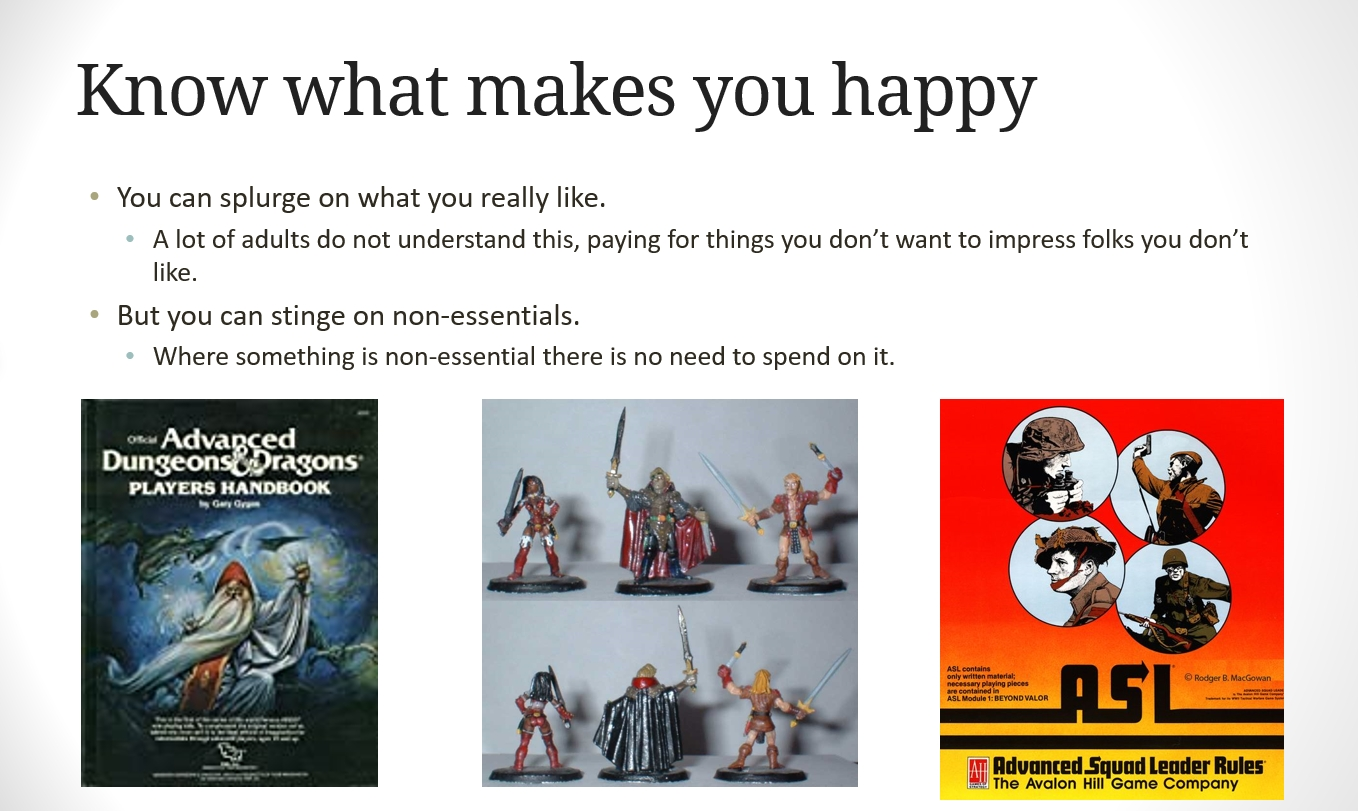
I stared playing D&D at the age of 10. What's a fricking plate of marshmallows compared to a handbook that introduces the bell curve to primary school students using 3 six-sided dice?
The 1st Edition AD&D was so dense and difficult as a ruleset, it's impossible to play without at least processing 100+ pages of text. Worse, in the 1980s, no one plays D&D in a consistent manner.
Too bad the latest edition of D&D has become so simplified that it's now a staple of mainstream entertainment and playing D&D has lost it exclusivity.
Pfft, you can even catch Vecna on Netflix.
Monday, July 11, 2022
Million dollar idea : How to Develop Conscientiousness
- Ritalin, a drug that deals with ADHD, rakes in millions every year. Some folks without ADHD take the drug to help them concentrate in class and do coding.
- Angela Duckworth earned millions in defence contracts to teach grit and resilience to US Air Force.
- Teen camps that can turn students around probably generate many times more revenue than investment training courses.
- Getting things done or GTD is a popular productivity system. ( Which I just can't follow, sadly )
- Marie Kondo's KonMari system is an organizational principle for physical objects.
- Lawyers use a simple system called IRAC to improve their legal writing.
- Even entering all your stock picks in Stocks Cafe is a system. ( Vital one, in fact! )
- Projects - Ongoing projects. For me the courses I conduct are projects.
- Areas - Areas of interest. For me, it is Investments, Health, Parenting, Lifestyle Design and Comedy.
- Resources - Material related to specific Subjects. I split mine into areas like Engineering, Finance, Psychology, Philosophy, and Law
- Archives - Completed Projects that are no longer being run.